Asset recycle management
Asset recycle management refers to the systematic and strategic process of handling and managing the end-of-life cycle of assets within an organization. Assets in this context can include physical assets such as computers, servers, office furniture, and electronic devices, as well as non-physical assets such as software licenses. The goal of asset recycle management is to maximize the value of assets, minimize environmental impact, and ensure compliance with regulations.
Here are key aspects of asset recycle management:
Inventory and Assessment:
- Conduct a thorough inventory of all assets within the organization.
- Assess the condition, usage, and remaining lifecycle of each asset.
Data Sanitization:
- Prioritize data security by ensuring that all sensitive information is securely wiped from electronic devices before disposal or recycling.
- Implement data sanitization methods that comply with industry standards and regulations.
Reuse and Redeployment:
- Evaluate whether any assets can be reused within the organization or redeployed to other departments where they are still functional and meet operational needs.
Recycling and Disposal:
- Identify assets that have reached the end of their useful life and cannot be reused.
- Develop a plan for environmentally responsible disposal or recycling of assets, adhering to local and international regulations.
Compliance:
- Ensure that the asset recycle management process complies with relevant laws and regulations, especially those related to environmental protection and data privacy.
Documentation:
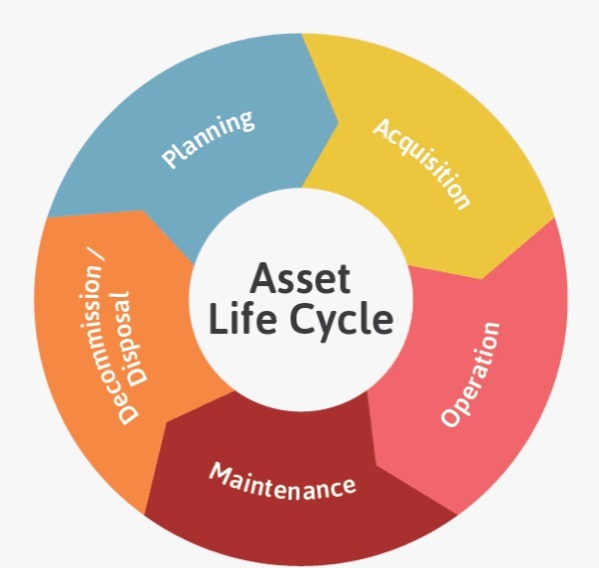
- Maintain detailed records of all assets throughout their lifecycle, including acquisition, usage, and disposal.
- Document the methods used for data sanitization and disposal.
Vendor Management:
- Collaborate with reputable vendors for recycling and disposal services.
- Verify that chosen vendors adhere to environmental and data security standards.
Cost Analysis:
- Conduct a cost-benefit analysis to determine the most cost-effective and environmentally friendly options for asset disposal.
Employee Training:
- Train employees on the proper procedures for asset disposal and recycling to ensure that they understand the importance of compliance and data security.
Continuous Improvement:
- Regularly review and update asset recycle management processes to incorporate industry best practices and emerging technologies.
Implementing effective asset recycle management not only helps organizations responsibly handle their end-of-life assets but also contributes to cost savings, regulatory compliance, and environmental sustainability.


 Chat with us
 Chat with us