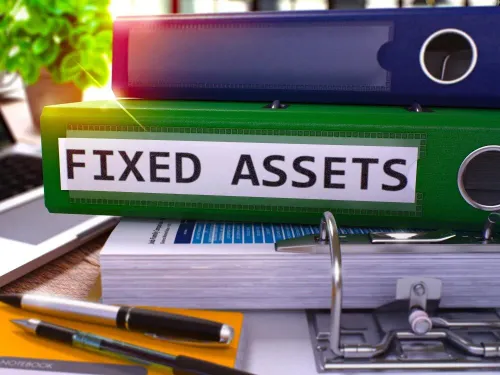
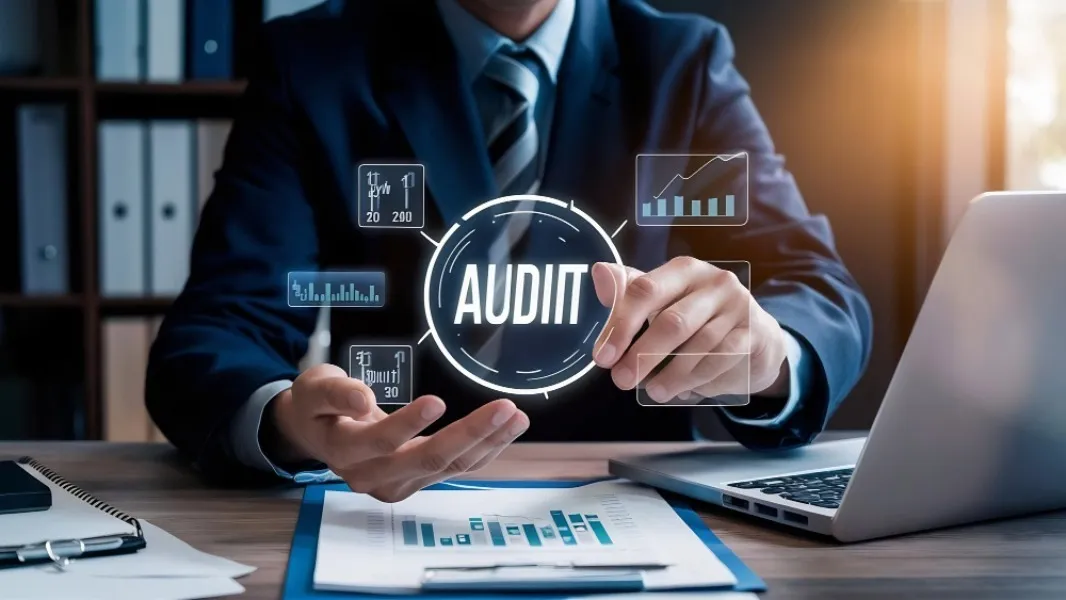
Corporate assets represent a significant investment for any organization. From office infrastructure and production equipment to laptops, servers, furniture, and specialized machinery, these assets support daily business operations and contribute directly to productivity. However, many organizations only realize the importance of accurate asset records when preparing for an audit.
Corporate Asset Audit Services help businesses validate, assess, and reconcile their physical assets with existing financial and operational records. The objective is not simply to count assets but to ensure that records accurately reflect reality.
Over time, organizations face numerous asset-related challenges. Equipment is relocated between departments, assets are replaced without proper documentation, obsolete items remain on registers, and sometimes entirely new assets are acquired without being recorded correctly. These discrepancies can create complications during statutory audits, internal reviews, insurance assessments, and financial reporting exercises.
A professional corporate asset audit typically involves:
- Physical asset inspection
- Asset identification and validation
- Record reconciliation
- Location verification
- Asset condition assessment
- Discrepancy reporting
For companies operating in Mumbai's fast-paced business environment, maintaining accurate asset data is particularly important. Corporate offices, manufacturing units, logistics facilities, and multi-site enterprises often manage thousands of assets spread across various locations.
One of the key advantages of a structured asset audit is improved financial accuracy. Finance teams depend on asset records for depreciation calculations, budgeting, tax compliance, and financial statements. Inaccurate data can affect decision-making at multiple levels.
Asset audits also strengthen governance and risk management. When management has clear visibility into asset ownership and utilization, it becomes easier to identify idle assets, prevent unnecessary purchases, and optimize resource allocation.
Technology has further improved audit efficiency. Barcode scanning, digital verification tools, and centralized reporting platforms enable faster data collection and better reporting accuracy.
Organizations that conduct regular asset audits often experience smoother external audits, stronger compliance outcomes, and better operational control. Rather than viewing audits as corrective exercises, forward-thinking businesses increasingly treat them as strategic asset management tools.
Businesses seeking structured audit processes frequently engage experienced providers such as Welcome to V SOURCING to help establish accurate, verifiable, and audit-ready asset records that support both compliance and long-term business growth.
Keywords