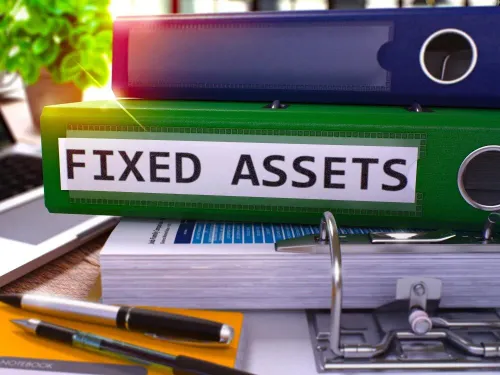

A fixed asset register may begin as a simple spreadsheet containing purchase dates, asset descriptions, and costs. As an organisation expands, that file often becomes difficult to control. New locations open, assets move between employees, equipment is repaired or replaced, and older items are disposed of without timely updates. Effective FAR Management helps keep this changing information structured and dependable.
FAR stands for Fixed Asset Register. It is a detailed record of the long-term assets owned or controlled by an organisation.
Information Found in a Fixed Asset Register
The fields included in a register depend on the company’s policies, accounting requirements, and operational needs. A useful FAR may include:
- Unique asset identification number
- Asset category and description
- Manufacturer, model, and serial number
- Purchase and capitalisation date
- Original cost
- Department or cost centre
- Building, floor, room, or operational location
- Employee or custodian
- Useful life and depreciation information
- Asset condition
- Transfer history
- Disposal date and approval reference
- Barcode or QR code
- Current status
A register becomes more useful when field names, classifications, and location codes are standardised.
Why FAR Records Become Unreliable
Register errors normally accumulate through everyday operational gaps. Procurement may purchase an asset without communicating the required details to finance. IT may transfer a laptop between employees without updating the central record. A facility team may replace equipment but retain the old record.
Other common causes include mergers, office relocations, spreadsheet version conflicts, bulk imports, inconsistent naming, and delayed disposal documentation.
The result is a register that may contain duplicates, incomplete records, incorrect locations, unidentified assets, and entries for items that are no longer in use.
The Difference Between Creating and Managing an FAR
Register creation is the process of building or reconstructing the initial database. Management is the ongoing work required to keep it accurate after creation.
Ongoing activities can include:
- Recording newly capitalised assets
- Updating location and custodian changes
- Maintaining asset classifications
- Linking identification tags
- Recording repairs or status changes
- Processing retirement and disposal records
- Conducting periodic verification
- Reconciling physical and book records
- Maintaining supporting documentation
- Reporting exceptions to responsible teams
Without these controls, even a well-created register can become outdated within months.
Establishing Data Governance
Every organisation should define who owns each part of the asset record. Finance may control cost, capitalisation, and depreciation data. IT may maintain device assignments and technical details. Facility teams may manage installed equipment, while procurement retains purchase documents.
A central process should define how updates are requested, verified, approved, and recorded. Change logs are valuable because they show what was modified, when it changed, and who authorised the update.
Managing Assets Across Mumbai Operations
Businesses in Mumbai may operate from corporate offices, industrial estates, warehouses, branches, or employee residences. Location data should therefore be specific enough to identify the asset without producing unnecessary complexity.
A location hierarchy might include city, site, building, floor, department, and room. Portable assets should also have a named custodian and status, such as assigned, in storage, under repair, or temporarily off-site.
For organisations with operations across Maharashtra, the same location and category structure should be used consistently.
Measuring Register Quality
Management can assess FAR reliability through indicators such as:
- Percentage of records physically verified
- Number of untagged assets
- Number of assets with missing serial numbers
- Unresolved asset-not-found cases
- Unrecorded assets discovered
- Pending transfer updates
- Assets awaiting disposal
- Time required to close verification exceptions
These measures reveal where procedures need improvement.
Welcome to V SOURCING assists businesses with register structuring, physical verification, tagging coordination, and data reconciliation. Effective FAR management gives finance and operational teams a shared source of dependable asset information, supporting better decisions throughout each asset’s useful life.
Keywords