Unused equipment is not automatically scrap: a fully depreciated server, machine tool, vehicle or office fit-out may still have transfer, resale or parts value. By classifying ownership, condition, data risk and access constraints first, you can choose a recovery route, document it defensibly and avoid turning a recoverable asset into a disposal cost.
Key takeaways
- Confirm ownership and disposal authority before listing any surplus asset.
- Create a file with condition, serial number, location, approvals and buyer terms.
- Wipe or destroy business data before selling, donating or recycling technology.
- Match resale, redeployment, auction or recycling to value, risk and condition.
Decide whether an asset is surplus before you dispose of it
An asset is surplus only after you confirm disposal authority, condition, demand and recoverable value. Physical possession is not proof of ownership: check whether the item is owned, leased, financed, customer-owned, employee-issued, landlord-owned or subject to an insurer’s salvage rights.
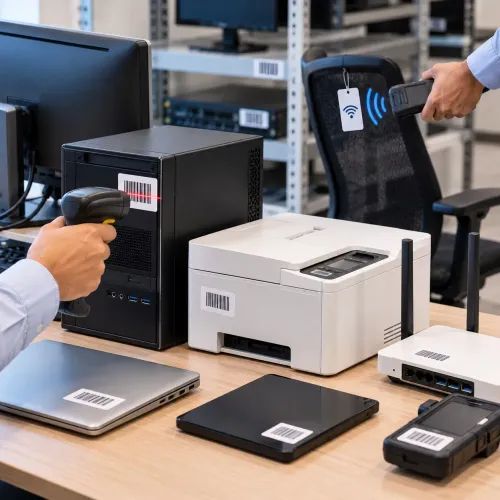
1. Match the asset to the records. Record the tag, serial number, location, custodian, purchase date and book value, then check lease, loan, customer and insurance documents. Stop the process if no authorised owner can approve disposal.
2. Inspect and test it. Mark each item as working, repairable, parts-only or unsafe, and record missing components, damage, age and maintenance history. For laptops, servers and storage devices, flag data risk before resale.
3. Test internal demand. Ask other sites and departments whether they need the item within a defined period. Redeploy a usable monitor, chair, machine or vehicle when transfer costs are lower than buying another; donate it when no internal user exists and policy permits.
4. Compare net recovery, not book value. Deduct repair, data sanitisation, dismantling, transport, storage and selling costs from an expected sale price. A fully depreciated switch or machine can still produce more value than scrap.
5. Select one status in the disposition register: redeploy, repair, hold for parts, sell, return to lessor, recycle or destroy. Return leased equipment according to the contract; do not sell it because it appears on your register.
6. Assign an approver and deadline. Separate e-waste, batteries, lamps, toner, hazardous components, ordinary metal and reusable goods before collection.
This process gives you a defensible answer to what to do with unused company assets and prevents an indefinite “idle” category from hiding storage costs, data exposure or lost resale value.
Build a controlled disposition file before seeking a buyer
Freeze the fixed-asset register before anyone offers an item for sale. Reconcile it against the site and record the asset ID, manufacturer serial number, location, custodian, condition, quantity and ownership status. “Found on site” does not resolve duplicate tags, missing serials, branch transfers or leased equipment.
1. Attach photographs, inspection notes, repair history, purchase invoice, depreciation record and proposed disposition to each asset record. State whether the item is owned, leased, financed, customer-owned or employee-issued.
2. Confirm disposal authority before valuation. Obtain the asset owner’s approval and check lease-return clauses, lender security, landlord ownership, insurance salvage rights and customer contracts.
3. Assign one status per asset: redeploy, repair, hold for parts, sell, return to lessor, recycle or destroy. Record an accountable approver and the approval date; an indefinite “idle” status hides storage and insurance costs.
4. Test value against recent comparable sales, age, condition, working status, missing components and dismantling costs. Do not use book net value as resale value: a fully depreciated server or machine tool can still command a market price.
5. Price the complete recovery route, including testing, data sanitisation, de-installation, lift or loading-bay bookings, temporary storage and transport in Mumbai. Business asset recovery services should document NIST SP 800-88 Rev. 1 treatment—clear, purge or destroy—especially for SSDs, self-encrypting drives and damaged devices.
Keep the signed disposition register, valuation evidence and exception log together. That file gives finance, auditors and management a traceable reason for the decision, not merely a buyer’s offer.
Match the recovery method to the asset and its data risk
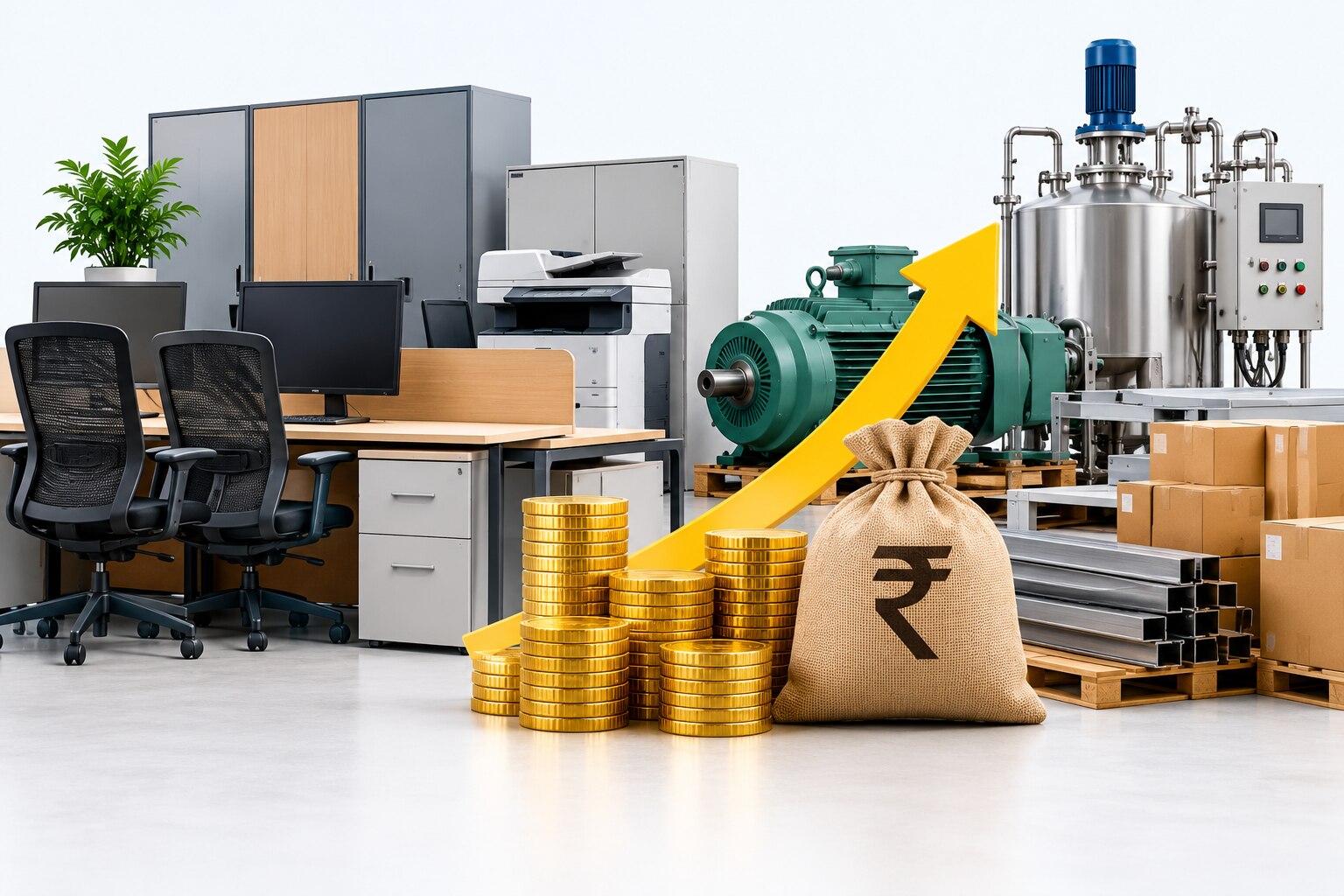
The answer to what to do with unused company assets depends on condition, ownership, resale demand and data risk—not book value. Use this order: redeploy, sell or donate as working equipment, remove usable components, then recycle the remainder.
- Furniture: clean, photograph and sell or redeploy complete desks, chairs and storage units. Separate damaged metal, wood and upholstery so recyclable material does not reduce the value of usable sets.
- IT equipment: record each serial number and data-bearing component before collection. Apply NIST SP 800-88 Rev. 1 clear, purge or destroy methods; use cryptographic erase or physical destruction for SSDs, self-encrypting drives and damaged devices where overwriting is insufficient.
- Machinery: sell a tested machine with manuals, maintenance history and tooling. Isolate power before dismantling, and cannibalise motors, drives, controls and spare parts only after confirming compatibility.
- Vehicles: verify title, finance status, registration and service records, then sell, transfer or auction the vehicle. Remove telematics, stored credentials and business documents before handover.
- Laboratory equipment: confirm decontamination, calibration status and hazardous-material clearance. Sell working instruments with certificates; recover pumps, probes and controllers only when safe and traceable.
- Leased, financed or customer-owned assets: do not sell them because they sit on your premises. Check the lease return condition, lender security or contract, then return, obtain written release or follow the owner’s disposal instruction.
For IT, retain the asset ID, serial number, sanitisation method, tool result, operator, date, custody transfers, destination and final disposition. A disposal certificate without that chain is weak evidence, especially when Mumbai offices consolidate equipment at one facility.
Plan Mumbai collection, buyer selection and responsible recycling
A buyer’s high bid can become a loss if the collection plan ignores Mumbai building restrictions. Confirm de-installation permits, landlord approval, electrical isolation, lift capacity, loading-bay bookings, secure staging space and timed vehicle access before releasing the lot.
Effective asset recycle management in Mumbai separates ordinary metal, electrical equipment, e-waste, batteries, lamps, toner and hazardous components before pricing. Mixing batteries with office scrap lowers material value and creates compliance risk.
Give every buyer or recycler these collection conditions in writing:
- Who dismantles and packs the asset
- Vehicle type, entry time and loading responsibility
- Freight, labour, temporary storage and failed-collection charges
- Required weighing, handover and recycling records
- Registration details under the E-Waste (Management) Rules, 2022
Compare commercial channels on net recovery, not the headline offer.
| Option | Advantage | Cost or control to check |
|---|---|---|
| Auction | Broad price discovery | Inspection, bidder management and removal failures |
| Dealer or buy-back | Faster collection | Testing, warranty and margin deductions |
| Employee sale | Useful for low-risk furniture | Payment, approval and collection controls |
| Registered recycler | Clear residual route | Material segregation, weighing and certificates |
For laptops, servers and drives, business asset recovery services must include data sanitisation. Apply NIST SP 800-88 Rev. 1: clear, purge or destroy the media; SSDs, self-encrypting drives and damaged devices can require cryptographic erase or physical destruction.
Welcome to V SOURCING can support the physical reconciliation that links each collected tag to its buyer, recycler and handover record. That evidence protects both recovered value and chain of custody.
Related products
ASSET RECYCLE MANAGEMENT refers to the process of efficiently and responsibly handling the disposal, reuse, or recycling of assets within an organization. View product → |
FIXED ASSET MANAGEMENT refers to the systematic process of acquiring, tracking, maintaining, and disposing of a company's fixed assets. View product → |
Close the records and prove where every asset went
An asset is not closed when a truck leaves the premises. Close it only when the disposition register shows one approved status, an accountable approver, the recovery amount, and evidence linking the recorded asset to its final destination.
Collect these records for every item:
- Asset tag, serial number, make, model, condition, owner and location before collection
- Approval record stating the disposition route and confirming whether the asset is owned, leased, financed, customer-owned or subject to insurance rights
- Handover sheet showing date, releasing employee, carrier, receiving party, vehicle details and every custody transfer, including consolidation at a third-party facility
- Sale invoice, buyer acknowledgement, payment receipt or recycler weight note matched to the asset list
- For IT equipment, the data-bearing component, sanitisation method, tool result, operator, date and failed-device treatment; a generic disposal certificate is not enough
- Final destination and outcome, such as redeployment, resale, parts recovery, recycling or destruction, with photographs or a destruction certificate where relevant
- Register update, ledger entry and finance review confirming removal from service and correct accounting and GST treatment
Asset recycle management in Mumbai must retain separate weights and receipts for metal, e-waste, batteries, lamps, toner and hazardous components. Mixing streams hides recovered value and weakens chain of custody. Finance should reconcile proceeds, tax invoices and Section 18(6) of the CGST Act and Rule 44(6) treatment before closing the file.
Frequently asked questions
How do you decide whether a business asset is surplus?
Confirm disposal authority, ownership, condition, internal demand and recoverable value. Check whether the asset is owned, leased, financed, customer-owned, employee-issued, landlord-owned or subject to an insurer’s salvage rights.
What belongs in a controlled asset disposition file?
Record the asset description, tag and serial number, location, owner, condition, photographs, valuation, approval, buyer details, collection record, data-wiping evidence and final disposal certificate.
How should companies choose a recovery method?
Redeploy usable assets internally first, then compare direct sale, trade-in, auction, donation and recycling. Apply stricter controls to equipment containing confidential data, hazardous components or regulated materials.
How can Mumbai companies prove where assets went?
Keep signed handover records, transport and collection details, buyer or recycler identification, data-erasure certificates, weight or item receipts and the final accounting entry for every asset.
Related products
FIXED ASSET PHYSICAL VERFICATION TAGGING & BARCODING SERVICES FIXED ASSET PHYSICAL VERFICATION TAGGING & BARCODING SERVICES Fixed Asset Physical Verification and Tagging entails the following activities : Comprehensive and complete physical verification exercise of all the... View product → |
FIXED ASSET REGISTER CREATION A fixed asset register is a detailed list of all fixed assets which are owned by a business. View product → |
IT SERVICES At V Sourcing we provide you with best in Class IT with our Homegrown products that can service your complete business needs. View product → |
Keywords